Le Morne Voluntary Marine Conservation Area (VMCA):
A Nature-Based Climate Adaptation Initiative in Mauritius
Project Overview
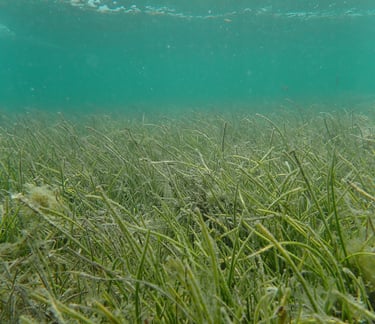
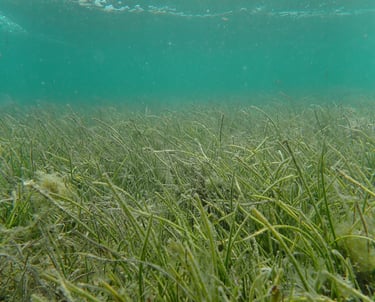
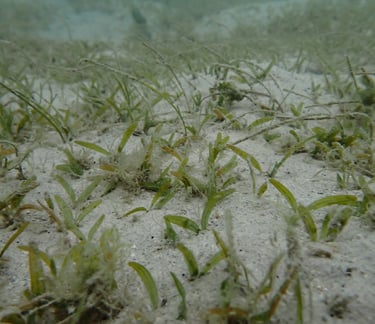
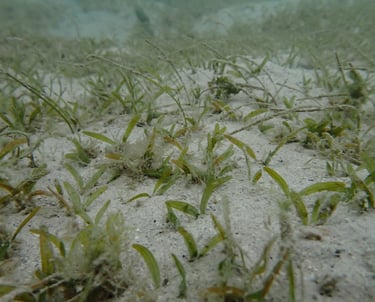
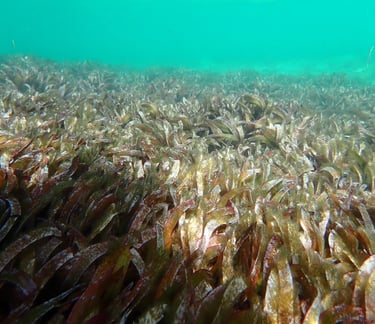
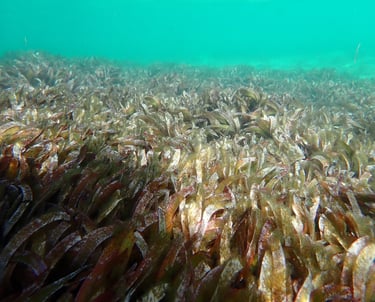
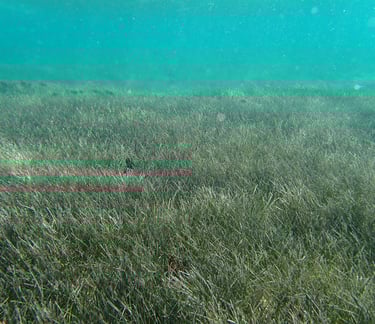
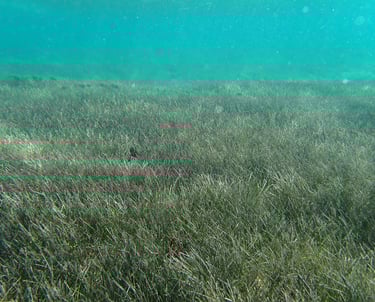
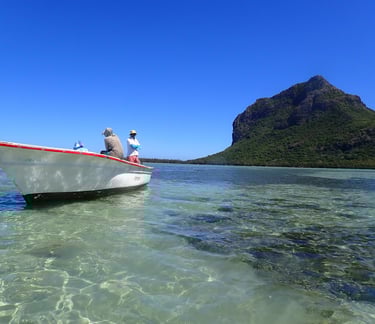
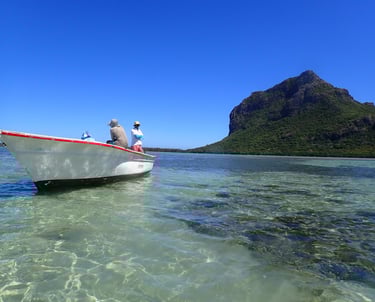
The Le Morne lagoon is one of Mauritius’ most ecologically significant coastal systems, hosting extensive seagrass meadows that support fisheries, biodiversity, coastal protection, and climate resilience. However, these ecosystems face increasing pressure from:
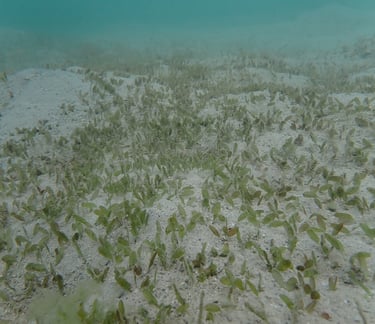
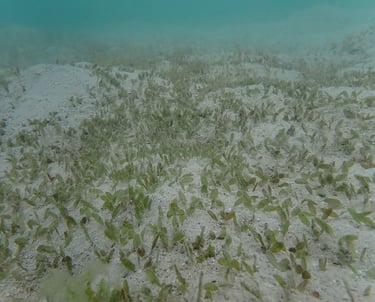
Boat anchoring and propeller scarring
Unregulated lagoon use
Coastal development
Climate change impacts
To address these challenges, the project—jointly implemented by CGC and EMCL—developed and operationalised a Voluntary Marine Conservation Area (VMCA) through a participatory, science-based approach
Objectives
The project aimed to:
Establish a community-led VMCA (~5.9 hectares) in Le Morne
Protect and restore seagrass ecosystems
Strengthen community stewardship and co-management
Reduce physical damage from anchoring and lagoon activities
Increase awareness on the ecological and economic value of seagrass
Key Results & Achievements
VMCA Successfully Established (~5.9 hectares protected area in Le Morne lagoon, clearly mapped and demarcated, community-recognised conservation zone, 92 direct beneficiaries involved in the project, inclusive participation: 36 women and 56 men) 👉 Significant improvement in community ownership
Reduction of Human Impact (Awareness reduced destructive lagoon practices, improved compliance with sustainable use, bathymetric maps produced, seagrass distribution and biotope mapping completed, monitoring of seagrass species health ongoing) 👉 Confirmed healthy and resilient seagrass ecosystems
Biodiversity Recovery Indicators (Juvenile fish, sea cucumbers, sea urchins, coral species recorded) 👉 Demonstrates ecosystem functionality and nursery role of seagrass
Sustainability & Replication
The VMCA model is:
Low-cost and scalable
Community-driven
Scientifically validated
Policy-relevant
👉 Strong potential for replication across Mauritius and the region
Conclusion
The Le Morne VMCA project demonstrates that community-led conservation, when supported by strong scientific expertise, can deliver measurable ecological and socio-economic impact. Through the joint implementation by CGC and EMCL, this initiative has successfully protected critical seagrass ecosystems, empowered local communities, and established a scalable model for marine conservation. It provides a powerful example of nature-based solutions for climate resilience in Small Island Developing States (SIDS).